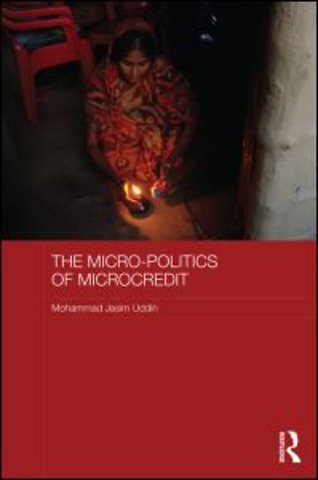
The Micro-politics of Microcredit
Gender and Neoliberal Development in Bangladesh
Gebonden Engels 2015 9781138902718Samenvatting
Microcredit has been seen in recent decades as having great potential for aiding development in poor developing countries, with Bangladesh being one of the countries which has pioneered microcredit and implemented it most widely. This book, based on extensive original research, explores how microcredit works in practice, and assesses its effectiveness. It discusses how microcredit, usually channelled through women, is often passed to the men of the family, a practice disapproved of by some, but regarded as acceptable by borrowers who have a communal approach to debt, rather than viewing debt as something held by single individuals. The book demonstrates how the rules around microcredit are often seem as irksome by the borrowers, how lenders often charge high rates of interest and work primarily to preserve their institutions, thereby going against the spirit of the microcredit movement, and how borrowers often end up on a downward spiral, deeper and deeper in debt. Overall, the book argues that although microcredit does much good, it also has many drawbacks.
Specificaties
Lezersrecensies
Inhoudsopgave
Rubrieken
- advisering
- algemeen management
- coaching en trainen
- communicatie en media
- economie
- financieel management
- inkoop en logistiek
- internet en social media
- it-management / ict
- juridisch
- leiderschap
- marketing
- mens en maatschappij
- non-profit
- ondernemen
- organisatiekunde
- personal finance
- personeelsmanagement
- persoonlijke effectiviteit
- projectmanagement
- psychologie
- reclame en verkoop
- strategisch management
- verandermanagement
- werk en loopbaan