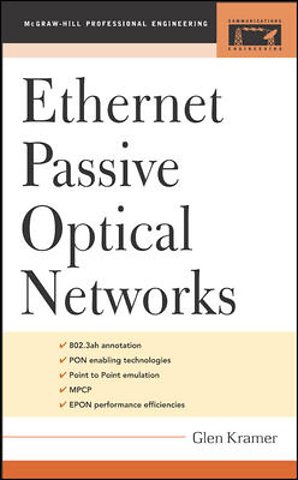
Ethernet Passive Optical Networks
Gebonden Engels 2005 9780071445627Samenvatting
Publisher's Note: Products purchased from Third Party sellers are not guaranteed by the publisher for quality, authenticity, or access to any online entitlements included with the product.
THE DEFINITIVE GUIDE TO EPON
Written by one of the authors of the IEEE802.3ah standard, this is the first book to fully explain the EPON architecture, analyze its performance, and annotate the standard.
Clearly addressing efficiency, performance, and implementation issues, Ethernet Passive Optical Networks provides valuable, annotated insights into all engineering-critical EPON topics, including:
PON enabling technologiesPoint-to-point emulationMulti-point control protocolError correctionPerformance analysisDiscovery optimizationsQuality of service in EPONFairness vs. efficiency
There is no more expert or complete guide to understanding the performance and architectural complexities of EPON than Ethernet Passive Optical Networks.
Inside Ethernet Passive Optical Networks:
Part I: Overview of Access Network Architectures * Introduction * Overview of PON Enabling Technologies * Access Network Architectures Based on TDMA PON * Emergence of Ethernet PON Part II: EPON Architecture* EPON Overview * Logical Topology Emulation * Laser Control Function * Multi-Point Control Protocol: A Formal Specification * Forward Error CorrectionPart III: System-Level Issues * EPON Encryption Mechanism * Path Protection in EPON Part IV: EPON Performance Baseline Efficiency * Discovery Slot Allocation * EPON with Static Slot Assignment * EPON with Dynamic Slot Assignment * Support for Differentiated Classes of Service * Objectives of EPON Scheduling Algorithm * Cousin-Fair Hierarchical Scheduling in EPON * Conclusion
Specificaties
Lezersrecensies
Inhoudsopgave
PREFACEACKNOWLEDGMENTSPart 1: Overview of Access Network ArchitecturesChapter 1: IntroductionChapter 2: Overview of PON Enabling TechnologiesChapter 3: Access Network Architectures Based on TDMA PONChapter 4: Emergence of Ethernet PONPart 2: EPON ArchitectureChapter 5: EPON OverviewChapter 6: Logical Topology EmulationChapter 7: Laser Control FunctionChapter 8: Multi-Point Control Protocol: A Formal SpecificationChapter 9: Forward Error CorrectionPart 3: System-Level IssuesChapter 10: EPON EncryptionChapter 11: Path Protection in EPONPart 4: EPON PerformanceChapter 12: Baseline EfficiencyChapter 13: Discovery Slot AllocationChapter 14: EPON with Static Slot AssignmentChapter 15: EPON with Dynamic Slot AssignmentChapter 16: Support for Differential Classes of ServiceChapter 17: Objectives of EPON Scheduling AlgorithmChapter 18: Cousin-Fair Hierarchical Scheduling in EPONChapter 19: ConclusionAPPENDIX A: CHARACTERISTICS OF NETWORK TRAFFICAPPENDIX B: SYNTHETIC TRAFFIC GENERATIONBIBLIOGRAPHYINDEX
Part 1: Overview of Access Network ArchitecturesChapter 1: IntroductionChapter 2: Overview of PON Enabling TechnologiesChapter 3: Access Network Architectures Based on TDMA PONChapter 4: Emergence of Ethernet PONPart 2: EPON ArchitectureChapter 5: EPON OverviewChapter 6: Logical Topology EmulationChapter 7: Laser Control FunctionChapter 8: Multi-Point Control Protocol: A Formal SpecificationChapter 9: Forward Error CorrectionPart 3: System-Level IssuesChapter 10: EPON EncryptionChapter 11: Path Protection in EPONPart 4: EPON PerformanceChapter 12: Baseline EfficiencyChapter 13: Discovery Slot AllocationChapter 14: EPON with Static Slot AssignmentChapter 15: EPON with Dynamic Slot AssignmentChapter 16: Support for Differential Classes of ServiceChapter 17: Objectives of EPON Scheduling AlgorithmChapter 18: Cousin-Fair Hierarchical Scheduling in EPONChapter 19: ConclusionAPPENDIX A: CHARACTERISTICS OF NETWORK TRAFFICAPPENDIX B: SYNTHETIC TRAFFIC GENERATIONBIBLIOGRAPHYINDEX
Chapter 2: Overview of PON Enabling TechnologiesChapter 3: Access Network Architectures Based on TDMA PONChapter 4: Emergence of Ethernet PONPart 2: EPON ArchitectureChapter 5: EPON OverviewChapter 6: Logical Topology EmulationChapter 7: Laser Control FunctionChapter 8: Multi-Point Control Protocol: A Formal SpecificationChapter 9: Forward Error CorrectionPart 3: System-Level IssuesChapter 10: EPON EncryptionChapter 11: Path Protection in EPONPart 4: EPON PerformanceChapter 12: Baseline EfficiencyChapter 13: Discovery Slot AllocationChapter 14: EPON with Static Slot AssignmentChapter 15: EPON with Dynamic Slot AssignmentChapter 16: Support for Differential Classes of ServiceChapter 17: Objectives of EPON Scheduling AlgorithmChapter 18: Cousin-Fair Hierarchical Scheduling in EPONChapter 19: ConclusionAPPENDIX A: CHARACTERISTICS OF NETWORK TRAFFICAPPENDIX B: SYNTHETIC TRAFFIC GENERATIONBIBLIOGRAPHYINDEX
Chapter 4: Emergence of Ethernet PONPart 2: EPON ArchitectureChapter 5: EPON OverviewChapter 6: Logical Topology EmulationChapter 7: Laser Control FunctionChapter 8: Multi-Point Control Protocol: A Formal SpecificationChapter 9: Forward Error CorrectionPart 3: System-Level IssuesChapter 10: EPON EncryptionChapter 11: Path Protection in EPONPart 4: EPON PerformanceChapter 12: Baseline EfficiencyChapter 13: Discovery Slot AllocationChapter 14: EPON with Static Slot AssignmentChapter 15: EPON with Dynamic Slot AssignmentChapter 16: Support for Differential Classes of ServiceChapter 17: Objectives of EPON Scheduling AlgorithmChapter 18: Cousin-Fair Hierarchical Scheduling in EPONChapter 19: ConclusionAPPENDIX A: CHARACTERISTICS OF NETWORK TRAFFICAPPENDIX B: SYNTHETIC TRAFFIC GENERATIONBIBLIOGRAPHYINDEX
Chapter 5: EPON OverviewChapter 6: Logical Topology EmulationChapter 7: Laser Control FunctionChapter 8: Multi-Point Control Protocol: A Formal SpecificationChapter 9: Forward Error CorrectionPart 3: System-Level IssuesChapter 10: EPON EncryptionChapter 11: Path Protection in EPONPart 4: EPON PerformanceChapter 12: Baseline EfficiencyChapter 13: Discovery Slot AllocationChapter 14: EPON with Static Slot AssignmentChapter 15: EPON with Dynamic Slot AssignmentChapter 16: Support for Differential Classes of ServiceChapter 17: Objectives of EPON Scheduling AlgorithmChapter 18: Cousin-Fair Hierarchical Scheduling in EPONChapter 19: ConclusionAPPENDIX A: CHARACTERISTICS OF NETWORK TRAFFICAPPENDIX B: SYNTHETIC TRAFFIC GENERATIONBIBLIOGRAPHYINDEX
Chapter 7: Laser Control FunctionChapter 8: Multi-Point Control Protocol: A Formal SpecificationChapter 9: Forward Error CorrectionPart 3: System-Level IssuesChapter 10: EPON EncryptionChapter 11: Path Protection in EPONPart 4: EPON PerformanceChapter 12: Baseline EfficiencyChapter 13: Discovery Slot AllocationChapter 14: EPON with Static Slot AssignmentChapter 15: EPON with Dynamic Slot AssignmentChapter 16: Support for Differential Classes of ServiceChapter 17: Objectives of EPON Scheduling AlgorithmChapter 18: Cousin-Fair Hierarchical Scheduling in EPONChapter 19: ConclusionAPPENDIX A: CHARACTERISTICS OF NETWORK TRAFFICAPPENDIX B: SYNTHETIC TRAFFIC GENERATIONBIBLIOGRAPHYINDEX
Chapter 9: Forward Error CorrectionPart 3: System-Level IssuesChapter 10: EPON EncryptionChapter 11: Path Protection in EPONPart 4: EPON PerformanceChapter 12: Baseline EfficiencyChapter 13: Discovery Slot AllocationChapter 14: EPON with Static Slot AssignmentChapter 15: EPON with Dynamic Slot AssignmentChapter 16: Support for Differential Classes of ServiceChapter 17: Objectives of EPON Scheduling AlgorithmChapter 18: Cousin-Fair Hierarchical Scheduling in EPONChapter 19: ConclusionAPPENDIX A: CHARACTERISTICS OF NETWORK TRAFFICAPPENDIX B: SYNTHETIC TRAFFIC GENERATIONBIBLIOGRAPHYINDEX
Chapter 10: EPON EncryptionChapter 11: Path Protection in EPONPart 4: EPON PerformanceChapter 12: Baseline EfficiencyChapter 13: Discovery Slot AllocationChapter 14: EPON with Static Slot AssignmentChapter 15: EPON with Dynamic Slot AssignmentChapter 16: Support for Differential Classes of ServiceChapter 17: Objectives of EPON Scheduling AlgorithmChapter 18: Cousin-Fair Hierarchical Scheduling in EPONChapter 19: ConclusionAPPENDIX A: CHARACTERISTICS OF NETWORK TRAFFICAPPENDIX B: SYNTHETIC TRAFFIC GENERATIONBIBLIOGRAPHYINDEX
Part 4: EPON PerformanceChapter 12: Baseline EfficiencyChapter 13: Discovery Slot AllocationChapter 14: EPON with Static Slot AssignmentChapter 15: EPON with Dynamic Slot AssignmentChapter 16: Support for Differential Classes of ServiceChapter 17: Objectives of EPON Scheduling AlgorithmChapter 18: Cousin-Fair Hierarchical Scheduling in EPONChapter 19: ConclusionAPPENDIX A: CHARACTERISTICS OF NETWORK TRAFFICAPPENDIX B: SYNTHETIC TRAFFIC GENERATIONBIBLIOGRAPHYINDEX
Chapter 13: Discovery Slot AllocationChapter 14: EPON with Static Slot AssignmentChapter 15: EPON with Dynamic Slot AssignmentChapter 16: Support for Differential Classes of ServiceChapter 17: Objectives of EPON Scheduling AlgorithmChapter 18: Cousin-Fair Hierarchical Scheduling in EPONChapter 19: ConclusionAPPENDIX A: CHARACTERISTICS OF NETWORK TRAFFICAPPENDIX B: SYNTHETIC TRAFFIC GENERATIONBIBLIOGRAPHYINDEX
Chapter 15: EPON with Dynamic Slot AssignmentChapter 16: Support for Differential Classes of ServiceChapter 17: Objectives of EPON Scheduling AlgorithmChapter 18: Cousin-Fair Hierarchical Scheduling in EPONChapter 19: ConclusionAPPENDIX A: CHARACTERISTICS OF NETWORK TRAFFICAPPENDIX B: SYNTHETIC TRAFFIC GENERATIONBIBLIOGRAPHYINDEX
Chapter 17: Objectives of EPON Scheduling AlgorithmChapter 18: Cousin-Fair Hierarchical Scheduling in EPONChapter 19: ConclusionAPPENDIX A: CHARACTERISTICS OF NETWORK TRAFFICAPPENDIX B: SYNTHETIC TRAFFIC GENERATIONBIBLIOGRAPHYINDEX
Chapter 19: ConclusionAPPENDIX A: CHARACTERISTICS OF NETWORK TRAFFICAPPENDIX B: SYNTHETIC TRAFFIC GENERATIONBIBLIOGRAPHYINDEX
APPENDIX B: SYNTHETIC TRAFFIC GENERATIONBIBLIOGRAPHYINDEX
INDEX
Rubrieken
- advisering
- algemeen management
- coaching en trainen
- communicatie en media
- economie
- financieel management
- inkoop en logistiek
- internet en social media
- it-management / ict
- juridisch
- leiderschap
- marketing
- mens en maatschappij
- non-profit
- ondernemen
- organisatiekunde
- personal finance
- personeelsmanagement
- persoonlijke effectiviteit
- projectmanagement
- psychologie
- reclame en verkoop
- strategisch management
- verandermanagement
- werk en loopbaan