Samenvatting
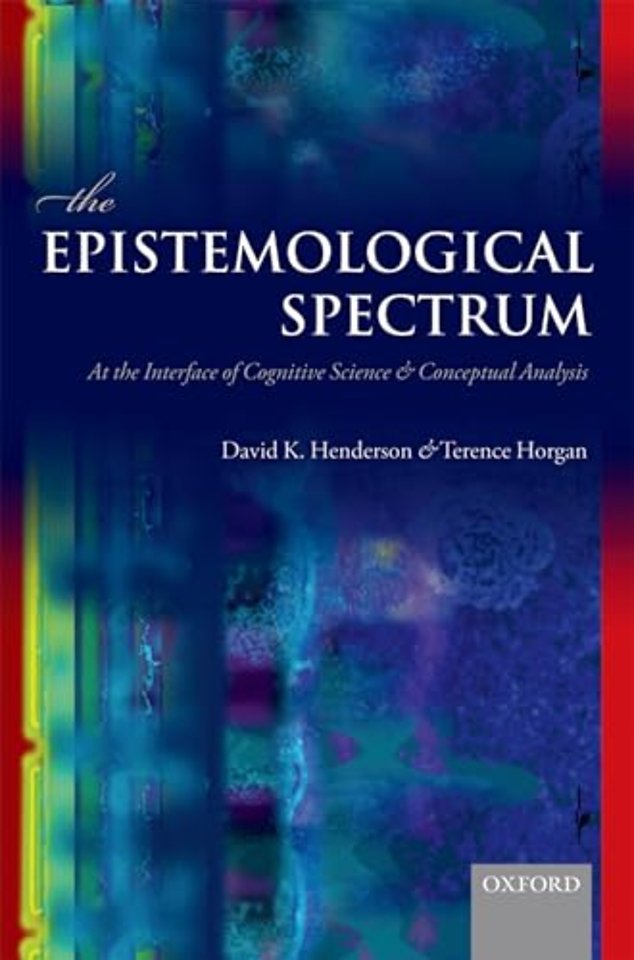
David Henderson and Terence Horgan set out a broad new approach to epistemology, which they see as a mixed discipline, having both a priori and empirical elements. They defend the roles of a priori reflection and conceptual analysis in philosophy, but their revisionary account of these philosophical methods allows them a subtle but essential empirical dimension. They espouse a dual-perspective position which they call iceberg epistemology, respecting the important differences between epistemic processes that are consciously accessible and those that are not. Reflecting on epistemic justification, they introduce the notion of transglobal reliability as the mark of the cognitive processes that are suitable for humans. Which cognitive processes these are depends on contingent facts about human cognitive capacities, and these cannot be known a priori.
Specificaties
Lezersrecensies
Rubrieken
- advisering
- algemeen management
- coaching en trainen
- communicatie en media
- economie
- financieel management
- inkoop en logistiek
- internet en social media
- it-management / ict
- juridisch
- leiderschap
- marketing
- mens en maatschappij
- non-profit
- ondernemen
- organisatiekunde
- personal finance
- personeelsmanagement
- persoonlijke effectiviteit
- projectmanagement
- psychologie
- reclame en verkoop
- strategisch management
- verandermanagement
- werk en loopbaan