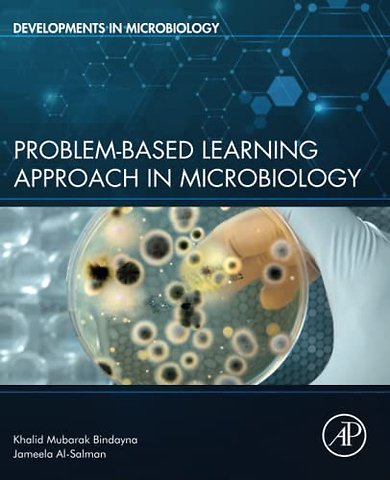
Problem-Based Learning Approach in Microbiology
Paperback Engels 2023 9780323950923Samenvatting
Problem-based Learning Approach in Microbiology, is an organ-based study of microbiology and infectious diseases using real patient problems (cases) and cases edited for educational purposes. This approach uses case studies to stimulate interactive learning and to facilitate basic knowledge for clinical training.
In seven sections, each problem in each section begins with a clinical case scenario and is followed by the learning objectives of the case. The “Question-and-answer section facilitates student-tutor interaction, thereby resulting in a problem-solving approach. The etiological agent is then described in complete detail comprising the epidemiology and pathogenicity of the agent, and the host immune response, clinical manifestations, diagnostic, and therapeutic measures. This book includes a wide-spectrum of commonly encountered infectious diseases, emerging infectious diseases, and immunological diseases. This book caters to the need for fundamental knowledge through an alternative approach achieved by dividing the book into sections.
This book facilitates a more effective learning process thereby ensuring better information retention, correlation with real-life scenarios, and better applicability of the concepts.
Specificaties
Lezersrecensies
Inhoudsopgave
HOW TO USE THIS BOOK
CHAPTER 1 Basic concepts in microbiology and immunology
Problem number 1.1: antibiotics
Diagnosis
Treatment
Follow-up and outcome
Question and answer
Learning objectives
Discussion
Key take-aways
Problem number 1.2: sterilization
Question and answer
Learning objectives
Discussion
Key take-aways
Problem number 1.3: fever
Diagnosis
Treatment and support
Follow-up and outcome
Question and answer
Learning objectives
Discussion
Key take-aways
Problem number 1.4: food poisoning caused by Shigella flexneri
Diagnosis
Treatment
Follow-up and outcome
Question and answer
Learning objectives
Discussion
Etiological agent
Key take-aways
Problem number 1.5: immunodeficiency
Diagnosis
Treatment and therapy
Follow-up and outcome
Question and answer
Learning objectives
Discussion
Key take-aways
References
CHAPTER 2 Infections of the central and sensory nervous system
Problem number 2.1: Tetanus caused by Clostridium tetani infection
Diagnosis
Treatment
Question and answer
Learning objectives
Discussion
Etiological agent
Key take-aways
Problem number 2.2: Shingles caused by herpes zoster virus infection
Diagnosis
Treatment
Question and answer
Learning objectives
Discussion
Etiological agent
Key take-aways
Problem number 2.3: Preseptal cellulitis caused by Hemophilus influenzae infection
Diagnosis
Treatment
Question and answer
Learning objectives
Discussion
Etiological agent
Key take-aways
Problem number 2.4: Subdural empyema caused by Streptococcus pyogenes infection
Diagnosis
Treatment
Question and answer
Learning objectives
Discussion
Etiological agent
Key take-aways
References
CHAPTER 3 Infections of the gastrointestinal and hepatobiliary system
Problem number 3.1: Klebsiella pneumoniae liver abscess caused due to Klebsiella pneumoniae infection
Diagnosis
Treatment
Question and answer
Learning objectives
Discussion
Discussion
Etiological agent
Key take-aways
Problem number 3.2: Liver failure caused by cytomegalovirus-induced hepatitis
Diagnosis
Treatment
Question and answer
Learning objectives
Discussion
Etiological agent
Key take-away
Problem number 3.3: Ulcerative colitis caused by rotavirus infection
Diagnosis
Treatment
Follow-up and outcome
Question and answer
Learning objectives
Discussion
Etiological agent
Key take-aways
Problem number 3.4: Gastric ulcer caused by Helicobacter pylori
Diagnosis
Treatment
Follow-up and outcome
Question and answer
Learning objectives
Discussion
Etiological agent
Key take-aways
References
CHAPTER 4 Infections of the respiratory system
Problem number 4.1: Community-acquired pneumonia caused by Streptococcus pneumoniae
Current (on-going) medications
Diagnosis
Treatment
Question and answer
Learning objectives
Discussion
Etiological agent
Key take-aways
Problem number 4.2: Cystic fibrosis exacerbated by Pseudomonas aeruginosa infection
Diagnosis
Treatment
Question and answer
Learning objectives
Discussion
Etiological agent
Key take-aways
Problem number 4.3: Acute bronchiolitis caused by respiratory syncytial virus
Diagnosis
Treatment
Question and answer
Learning objectives
Discussion
Etiological agent
Key take-aways
Problem number 4.4: Chronic productive cough and low-grade fever caused by Mycobacterium tuberculosis infection
Diagnosis
Treatment
Follow-up and outcome
Question and answer
Learning objectives
Discussion
Etiological agent
Key take-aways
References
CHAPTER 5 Infections of the cardiovascular system
Problem number 5.1: Rheumatic heart disease caused by Streptococcus viridans infection
Diagnosis
Treatment
Follow-up
Outcome
Diagnosis
Treatment
Question and answer
Learning objectives
Discussion
Etiological agent
Key take-aways
Problem number 5.2: Cardiomyopathy caused by Coxsackie B virus infection
Ongoing medications
Diagnosis
Question and answer
Learning objectives
Discussion
Etiological agent
Key take-aways
Problem number 5.3: Cardiovascular complications caused by SARS-CoV-2 infection
Diagnosis
Treatment
Question and answer
Learning objectives
Discussion
Etiological agent
Key take-aways
Problem number 5.4: Infective endocarditis caused by Enterococcus faecalis infection
Diagnosis
Treatment
Question and answer
Learning objectives
Discussion
Etiological agent
Key take-aways
References
CHAPTER 6 Infections of the urogenital tract
Problem number 6.1: Urinary tract infection caused by Escherichia coli (extended-spectrum ß-lactamase)
Diagnosis
Treatment
Question and answer
Learning objectives
Discussion
Etiological agent
Key take-aways
Problem number 6.2: Vulvovaginal candidiasis caused by Candida albicans infection
Diagnosis
Treatment
Follow-up and outcome
Question and answer
Learning objectives
Discussion
Etiological agent
Key take-aways
Problem number 6.3: Urinary tract infection caused by Proteus mirabilis infection
Diagnosis
Treatment
Follow-up and outcome
Question and answer
Learning objectives
Discussion
Etiological agent
Key take-aways
Problem number 6.4: Postinfectious glomerulonephritis secondary to Epstein 2 Barr virus infection
Diagnosis
Treatment
Follow-up and outcome
Question and answer
Learning objectives
Discussion
Etiological agent
Key take-aways
References
CHAPTER 7 Infections of the blood, skin, and musculoskeletal system
Problem 7.1: Meningococcemia caused by Neisseria meningitidis infection
Diagnosis
Treatment
Question and answer
Learning objectives
Discussion
Etiological agent
Key take-aways
Problem number 7.2: Malaria
Diagnosis
Treatment
Question and answer
Learning objectives
Discussion
Etiological agent
Key take-aways
Problem 7.3: Posttraumatic foot infection caused by Staphylococcus aureus
Diagnosis
Treatment
Question and answer
Learning objectives
Discussion
Etiological agent
Key take-aways
Problem 7.4: Septicemia caused by Acinetobacter baumannii infection
Diagnosis
Treatment
Question and answer
Learning objectives
Discussion
Etiological agent
Key take-aways
References
CHAPTER 8 Infections in the immunocompromised host and immunization
Problem 23: Sepsis
Diagnosis
Treatment
Follow-up and outcome
Question and answer
Learning objectives
Discussion
Inflammatory response
Hemodynamic response
Cellular response
Effect on different organ systems
Septic shock
Key take-aways
Problem 8.2: Progressive multifocal leukoencephalopathy
Diagnosis
Treatment
Question and answer
Learning objectives
Discussion
Key take-aways
Problem 8.3: Erythema infectiosum
Diagnosis
Treatment
Question and answer
Learning objectives
Discussion
Key take-aways
Problem 8.4: Chronic granulomatous disease
Diagnosis
Treatment
Question and answer
Learning objectives
Discussion
Key take-aways
References
INDEX
Rubrieken
- advisering
- algemeen management
- coaching en trainen
- communicatie en media
- economie
- financieel management
- inkoop en logistiek
- internet en social media
- it-management / ict
- juridisch
- leiderschap
- marketing
- mens en maatschappij
- non-profit
- ondernemen
- organisatiekunde
- personal finance
- personeelsmanagement
- persoonlijke effectiviteit
- projectmanagement
- psychologie
- reclame en verkoop
- strategisch management
- verandermanagement
- werk en loopbaan