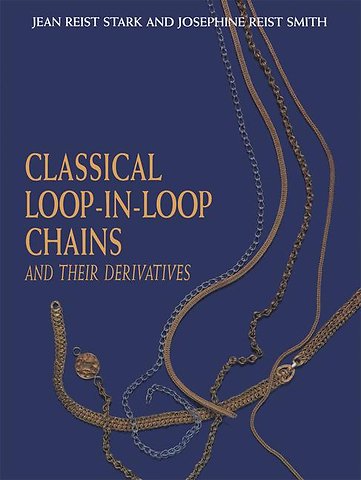
Classical Loop-in-Loop Chains
And Their Derivatives
Paperback Engels 1997 9780412078811Samenvatting
ThiS is not only a book of instruction in chainmaking but it is also a work celebrating man's continuous creativity over thousands of years. At times something that man creates has far-reach ing effects; an example that quickly comes to mind is the wheel, which has enabled many devel opments, from pottery to computers. At this point it is important to note that these same wheels could not have been made without metal tools. From early Neolithic times on gold was a favorite choice in the making of jewelry. During the Neolithic period these "shining stones," probably alluvial, were prized. Actually gold was cold worked as if it were a stone. There is a surviving example of cold-worked gold from Catahuyuk (present day Turkey) estimated to have been made in 6500 B. C. There were only four metals on the earth's surface that were found in sufficient quantity to be used: gold, copper, silver, and meteoric iron. An understanding of the malleability of gold, and of the annealing effect of fire, changed jewelry making; new forms were found. Gold was no longer a piece of stone but a material that could be flattened and made very thin. Sheet and foil are the oldest forms of worked gold. The smiths' tools were stone, wood, and horn.
Specificaties
Lezersrecensies
Inhoudsopgave
Rubrieken
- advisering
- algemeen management
- coaching en trainen
- communicatie en media
- economie
- financieel management
- inkoop en logistiek
- internet en social media
- it-management / ict
- juridisch
- leiderschap
- marketing
- mens en maatschappij
- non-profit
- ondernemen
- organisatiekunde
- personal finance
- personeelsmanagement
- persoonlijke effectiviteit
- projectmanagement
- psychologie
- reclame en verkoop
- strategisch management
- verandermanagement
- werk en loopbaan