Samenvatting
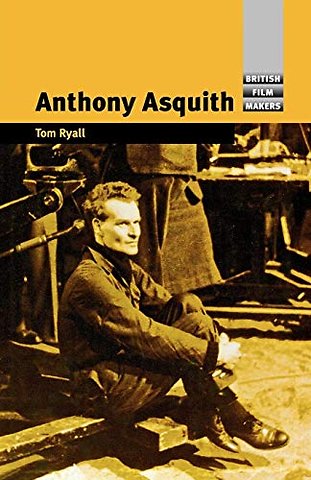
This is the first comprehensive critical study of Anthony Asquith. Ryall sets the director's work in the context of British cinema from the silent period to the 1960s, examining the artistic and cultural influences which shaped his films.
Asquith's silent films were compared favourably to those of his eminent contemporary Alfred Hitchcock, but his career faltered during the 1930s. However, the success of Pygmalion (1938) and French Without Tears (1939), based on plays by George Bernard Shaw and Terence Rattigan, together with his significant contributions to wartime British cinema, re-established him as a leading British film maker. Asquith's post-war career includes several pictures in collaboration with Terence Rattigan, and the definitive adaptation of Oscar Wilde's The Importance of Being Earnest (1951), but his versatility is demonstrated in a number of modest genre films including The Woman in Question (1950), The Young Lovers (1954) and Orders to Kill (1958).
Specificaties
Lezersrecensies
Rubrieken
- advisering
- algemeen management
- coaching en trainen
- communicatie en media
- economie
- financieel management
- inkoop en logistiek
- internet en social media
- it-management / ict
- juridisch
- leiderschap
- marketing
- mens en maatschappij
- non-profit
- ondernemen
- organisatiekunde
- personal finance
- personeelsmanagement
- persoonlijke effectiviteit
- projectmanagement
- psychologie
- reclame en verkoop
- strategisch management
- verandermanagement
- werk en loopbaan