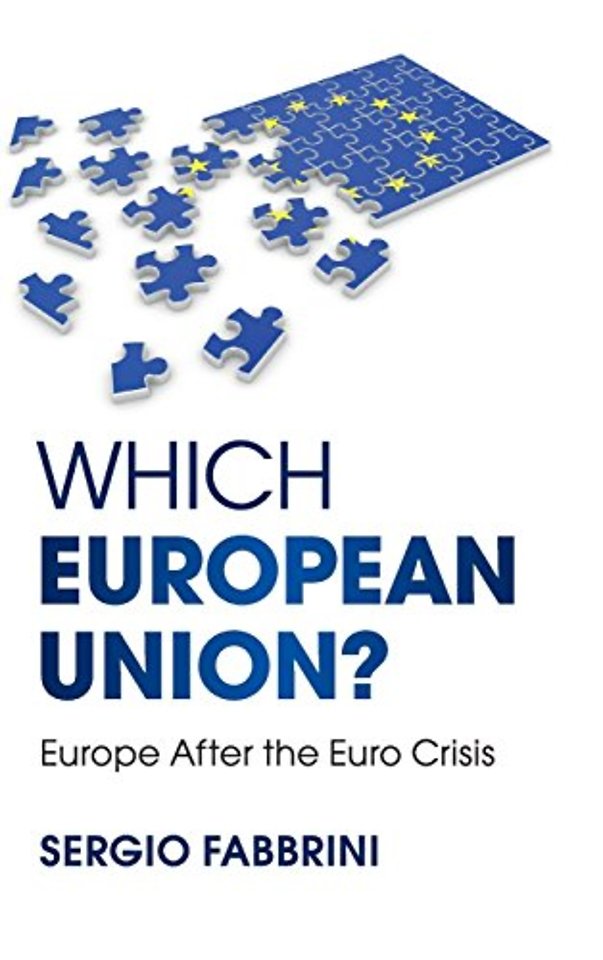
Which European Union?
Europe after the Euro Crisis
Gebonden Engels 2015 9781107103948Samenvatting
Sergio Fabbrini argues that the European Union (EU) is made up of states pursuing different aims, rather than simply moving in the same direction at different speeds. He describes the alternative perspectives on the EU (an economic community, an intergovernmental union, and a parliamentary union), that led to multiple compromises in its structure and shows how the Euro crisis has called them into question. The book argues that a new European political order is necessary to deal with the consequences of the crisis, based on an institutional differentiation between the EU member states interested only in market co-operation and those advancing towards a genuine economic and monetary union. Such a differentiation would allow the latter group to become a political union, conceptualised as a compound union of states and citizens, while preserving a revised framework of a single market in which both groups of states can participate.
Specificaties
Lezersrecensies
Inhoudsopgave
Rubrieken
- advisering
- algemeen management
- coaching en trainen
- communicatie en media
- economie
- financieel management
- inkoop en logistiek
- internet en social media
- it-management / ict
- juridisch
- leiderschap
- marketing
- mens en maatschappij
- non-profit
- ondernemen
- organisatiekunde
- personal finance
- personeelsmanagement
- persoonlijke effectiviteit
- projectmanagement
- psychologie
- reclame en verkoop
- strategisch management
- verandermanagement
- werk en loopbaan