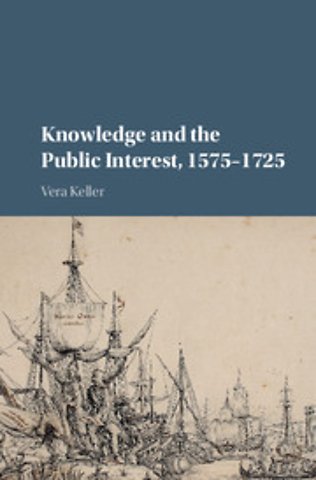
Knowledge and the Public Interest, 1575–1725
Gebonden Engels 2015 9781107110137Samenvatting
Many studies relate modern science to modern political and economic thought. Using one shift in order to explain the other, however, has begged the question of modernity's origins. New scientific and political reasoning emerged simultaneously as controversial forms of probabilistic reasoning. Neither could ground the other. They both rejected logical systems in favor of shifting, incomplete, and human-oriented forms of knowledge which did not meet accepted standards of speculative science. This study follows their shared development by tracing one key political stratagem for linking human desires to the advancement of knowledge: the collaborative wish list. Highly controversial at the beginning of the seventeenth century, charismatic desiderata lists spread across Europe, often deployed against traditional sciences. They did not enter the academy for a century but eventually so shaped the deep structures of research that today this once controversial genre appears to be a musty and even pedantic term of art.
Specificaties
Lezersrecensies
Inhoudsopgave
Rubrieken
- advisering
- algemeen management
- coaching en trainen
- communicatie en media
- economie
- financieel management
- inkoop en logistiek
- internet en social media
- it-management / ict
- juridisch
- leiderschap
- marketing
- mens en maatschappij
- non-profit
- ondernemen
- organisatiekunde
- personal finance
- personeelsmanagement
- persoonlijke effectiviteit
- projectmanagement
- psychologie
- reclame en verkoop
- strategisch management
- verandermanagement
- werk en loopbaan