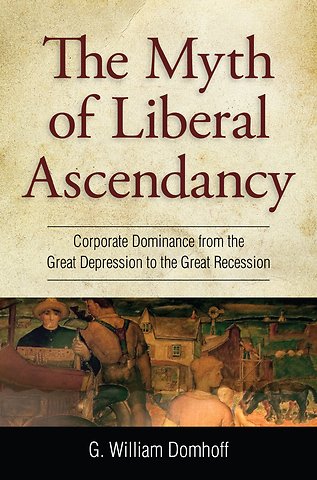
Myth of Liberal Ascendancy
Corporate Dominance from the Great Depression to the Great Recession
Paperback Engels 2013 1e druk 9781612052564Samenvatting
Based on new archival research, G. Williams Domhoff challenges popular conceptions of the 1930's New Deal. Arguing instead that this period was one of increasing corporate dominance in government affairs, affecting the fate of American workers up to the present day. While FDR's New Deal brought sweeping legislation, the tide turned quickly after 1938. From that year onward nearly every major new economic law passed by Congress showed the mark of corporate dominance. Domhoff accessibly portrays documents of the Committee's vital influence in the halls of government, supported by his interviews with several of its key employees and trustees. Domhoff concludes that in terms of economic influence, liberalism was on a long steady decline, despite two decades of post-war growing equality, and that ironically, it was the successes of the civil rights, feminist, environmental, and gay-lesbian movements-not a new corporate mobilisation-that led to the final defeat of the liberal-labour alliance after 1968.
Specificaties
Lezersrecensies






Rubrieken
- advisering
- algemeen management
- coaching en trainen
- communicatie en media
- economie
- financieel management
- inkoop en logistiek
- internet en social media
- it-management / ict
- juridisch
- leiderschap
- marketing
- mens en maatschappij
- non-profit
- ondernemen
- organisatiekunde
- personal finance
- personeelsmanagement
- persoonlijke effectiviteit
- projectmanagement
- psychologie
- reclame en verkoop
- strategisch management
- verandermanagement
- werk en loopbaan