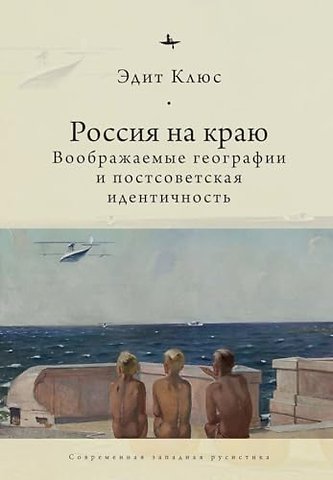
Russia on the Edge
Imagined Geographies and Post-Soviet Identity
Gebonden EN 2020 9781644693209Samenvatting
Since the dissolution of the Soviet Union in 1991, Russians have confronted a major crisis of identity. Soviet ideology rested on a belief in historical progress, but the post-Soviet imagination has obsessed over territory. Indeed, geographical metaphors—whether axes of north vs. south or geopolitical images of center, periphery, and border—have become the signs of a different sense of self and the signposts of a new debate about Russian identity. In Russia on the Edge, Edith W. Clowes argues that refurbished geographical metaphors and imagined geographies provide a useful perspective for examining post-Soviet debates about what it means to be Russian today.
Clowes lays out several sides of the debate. She takes as a backdrop the strong criticism of Soviet Moscow and its self-image as uncontested global hub by major contemporary writers, among them Tatyana Tolstaya and Viktor Pelevin. The most vocal, visible, and colorful rightist ideologue, Aleksandr Dugin, the founder of neo-Eurasianism, has articulated positions contested by such writers and thinkers as Mikhail Ryklin, Liudmila Ulitskaia, and Anna Politkovskaia, whose works call for a new civility in a genuinely pluralistic Russia. Dugin’s extreme views and their many responses—in fiction, film, philosophy, and documentary journalism—form the body of this book.
Specificaties
Lezersrecensies
Rubrieken
- advisering
- algemeen management
- coaching en trainen
- communicatie en media
- economie
- financieel management
- inkoop en logistiek
- internet en social media
- it-management / ict
- juridisch
- leiderschap
- marketing
- mens en maatschappij
- non-profit
- ondernemen
- organisatiekunde
- personal finance
- personeelsmanagement
- persoonlijke effectiviteit
- projectmanagement
- psychologie
- reclame en verkoop
- strategisch management
- verandermanagement
- werk en loopbaan