Op werkdagen voor 23:00 besteld, morgen in huis Gratis verzending vanaf €20
-
Inloggen

Uw winkelwagen

Naar winkelwagen Verder winkelen
Uitdagingen + oplossingen
Alle uitdagingen + oplossingen
  • Direct naar
    • Alle uitdagingen en oplossingen
    • Meest bekeken managementvragen
    • Recent gestelde vragen
    • Stel jouw managementvraag
    • Boeken als cadeau
  • Ontdek oplossingen per thema
    • Boekadviezen en geschenken
    • Digitalisering en technologie
    • Communicatie en onderhandeling
    • Compliance en regelgeving
    • alle thema’s
  • Voorbeelden
    • Boekcadeau voor promotie
    • AI toepassen op werk
    • Versterken interne communicatie
    • Voorkomen corruptie en onethisch gedrag
    • alle vragen
Managementboeken
Alle managementboeken
  • Direct naar
    • Boeken als cadeau
    • Managementboek TOP 100
    • AI-books
    • Managementuitdagingen
    • Auteur in de spotlight
    • Online Magazine
    • Binnenkort verwacht
    • Aanbiedingen
    • Trending trefwoorden
  • Rubrieken
    • Advisering
    • Algemeen management
    • Coaching en trainen
    • Communicatie en media
    • Economie
    • Financieel management
    • Inkoop en logistiek
    • Internet en social media
    • IT-management / ICT
    • Juridisch
    • Leiderschap
    • Marketing
    • Mens en maatschappij
    • Non-profit
    • Ondernemen
    • Organisatiekunde
    • Personal finance
    • Personeelsmanagement
    • Persoonlijke effectiviteit
    • Projectmanagement
    • Psychologie
    • Reclame en verkoop
    • Strategisch management
    • Verandermanagement
    • Werk en loopbaan
    • alle rubrieken
Overige boeken
Alle overige boeken
  • Direct naar
    • Bestseller 60
    • Fictie TOP 20
    • Non-fictie TOP 20
    • Spanning TOP 20
    • Jeugd TOP 10
    • Culinair TOP 10
    • Aanbiedingen
    • Boeken als cadeau
  • Rubrieken
    • Cadeauboeken
    • Computer en informatica
    • Economie
    • Filosofie
    • Flora en fauna
    • Geneeskunde
    • Geschiedenis
    • Gezondheid
    • Informatief / professioneel
    • Jeugd
    • Juridisch
    • Koken en eten
    • Kunst en cultuur
    • Literatuur en romans
    • Mens en maatschappij
    • Naslagwerken
    • Paramedisch
    • Psychologie
    • Reizen
    • Religie
    • Schoolboeken
    • Spiritualiteit
    • Sport, hobby, lifestyle
    • Thrillers en spanning
    • Wetenschap en techniek
    • Woordenboeken en taal
Interactief leren
Alle seminars & trainingen
  • Direct naar
    • Live events
    • Online training
    • AI-books
  • Online Magazine
    • Previews
    • Recensies
    • Interviews
    • Podcasts
    • Videos
  • Volg ons op
    • Spotify
    • YouTube
    • Instagram
    • Linkedin
Attenderingen
Aanbevelingen instellen
  • Algemeen
    • Recht op u af
    • Juridisch
    • Expertselectie juridisch
    • Series
    • Herdrukken
    • Wetenschappelijk
  • Aanbevolen per ministerie
    • Algemene Zaken
    • Binnenlandse Zaken en Koninkrijksrelaties
    • Buitenlandse Zaken
    • Defensie
    • Economische Zaken
    • Financiën
    • Infrastructuur en Waterstaat
    • Justitie en Veiligheid
    • Landbouw, Visserij, Voedselzekerheid en Natuur
    • Onderwijs, Cultuur en Wetenschap
    • Nationale Politie
    • Sociale Zaken en Werkgelegenheid
    • Volksgezondheid, Welzijn en Sport
Abonnementen
Abonnementencatalogus
  • Algemeen
    • Uw abonnementen
    • Verlengen / opzeggen
    • Openstaande claims
    • Bibliografische wijzigingen
    • Abonnementshouders
    • Afleveradressen
    • Referenties
    • Notities
  • Aanbevolen per ministerie
    • Algemene Zaken
    • Binnenlandse Zaken en Koninkrijksrelaties
    • Buitenlandse Zaken
    • Defensie
    • Economische Zaken
    • Financiën
    • Infrastructuur en Waterstaat
    • Justitie en Veiligheid
    • Landbouw, Visserij, Voedselzekerheid en Natuur
    • Onderwijs, Cultuur en Wetenschap
    • Nationale Politie
    • Sociale Zaken en Werkgelegenheid
    • Volksgezondheid, Welzijn en Sport
Boekseries
Boekseriecatalogus
  • Algemeen
    • Uw serieabonnementen
    • Geadresseerden
    • Abonnementshouders
    • Afleveradressen
    • Referenties
    • Notities
  • Aanbevolen per ministerie
    • Algemene Zaken
    • Binnenlandse Zaken en Koninkrijksrelaties
    • Buitenlandse Zaken
    • Defensie
    • Economische Zaken
    • Financiën
    • Infrastructuur en Waterstaat
    • Justitie en Veiligheid
    • Landbouw, Visserij, Voedselzekerheid en Natuur
    • Onderwijs, Cultuur en Wetenschap
    • Nationale Politie
    • Sociale Zaken en Werkgelegenheid
    • Volksgezondheid, Welzijn en Sport
Nu lezen
Online Magazine
  • Direct naar
    • Recensies
    • Interviews
    • Previews
    • Opinie
    • Actueel
    • Podcasts
    • Videos
  • Lees over
    • Algemeen management
    • Coachen en trainen
    • Leiderschap
    • Marketing
    • Organisatiekunde
    • Strategisch management
    • Verandermanagement
    • meer onderwerpen
  • Recente artikelen
Meer
  • Meer
    010-4731397
    Klantenservice
    Mijn account
    Mijn bestellingen
    010-4731397
    Boeken Juridisch History and Taxation
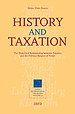
    History and Taxation
    History and Taxation
    Peter Essers

    Prof.dr. P.H.J. Essers is hoogleraar belastingrecht aan de Universiteit Tilburg.

    Meer over Peter Essers
    Peter Essers

    History and Taxation

    The Dialectical Relationship between Taxation and the Political Balance of Power

    Paperback Engels 2022 1e druk 9789087227753
    Niet leverbaar.

    Samenvatting

    In this book, the historical relationship between taxation and the political balance of power is investigated. In addition to a unique overview of historical iconic tax events, with famous examples like the Eighty Years’ War between the Netherlands and Spain, the Glorious Revolution, the Boston Tea Party and the French Revolution, it contains an analysis of the way in which Nazis and communists abused existing tax systems to achieve their goals in the 20th century.

    In this book, the historical relationship between taxation and the political balance of power is investigated. The main goal is to test the hypothesis that a dialectical relationship exists between taxation and the political balance of power.

    Taxes can be used by those who are in power to maintain their power and, if possible, extend it. Then, there can be a counter-reaction, leading to a synthesis with a new balance of power with new taxes. The new tax system can, for example, initiate another reaction with political consequences. This presumed dialectical relationship is tested against experiences in 26 states, based on a unique overview of historical iconic tax events, with famous examples like the Eighty Years’ War between the Netherlands and Spain, the Glorious Revolution, the Boston Tea Party and the French Revolution. Most of the iconic tax events are related to the famous principle of “no taxation without representation”. This was first understood as “no taxation without consent of the elite” and later evolved towards “no taxation without a formal law adopted by the parliament”.

    Recently, there have been signs that many people no longer recognize themselves in politics in general and in national parliaments in particular. This can lead to developments that threaten the stability of the actual balance of power, likely with new consequences for taxation. This book provides abundant proof of how dictators have abused tax systems to suppress (presumed) enemies of the regime and enforce societal reforms. In the 20th century, there have been notorious examples of these kinds of repressive taxes in national-socialist and communist regimes. There have also been iconic tax events that supported democracy and the emancipation of citizens. However, “democratic taxes” sometimes also lead to threats to democracy, e.g. if these taxes cause conflicts with the equality principle or do not sufficiently respect the rights of minorities or fundamental rights.

    Part 1 of this book is the General Report, with overall conclusions. Part 2 contains seven thematic reports, and Part 3 contains 26 national reports.

    Specificaties

    ISBN13:9789087227753
    Taal:Engels
    Bindwijze:paperback
    Aantal pagina's:786
    Uitgever:IBFD Publications
    Druk:1
    Verschijningsdatum:7-6-2022
    Hoofdrubriek:Juridisch
    Jongbloed:Belastingrecht - Europees belastingrecht
    Serie:EATLP - The European Association of Tax Law Professors International Tax Series

    Lezersrecensies

    Wees de eerste die een lezersrecensie schrijft!
    Schrijf een recensie
    Lees ons recensiebeleid
    Uw waardering
    ?
    Log in om uw waardering te geven
    Klik om uw waardering te geven

    Over Peter Essers

    Prof.dr. P.H.J. Essers is hoogleraar belastingrecht aan de Universiteit Tilburg.
    Andere boeken door Peter Essers

    Meer over Peter Essers

    Inhoudsopgave

    Preface v
    About the Authors ix
    Part One
    General Report

    Chapter 1: General Report on History and Taxation:
    The Dialectical Relationship between Taxation and the Political Balance of Power 3
    Peter Essers
    1.1. Starting point and goal of the research 3
    1.2. Methodology 4
    1.3. Test results of the hypothesis on the dialectical relationship between taxation and the political balance of power in the investigated states: Thematic reports 6
    1.3.1. “No Taxation without Representation”: The Relationship between Taxes and Revolutions 6
    1.3.2. Tax Policy of Nazi Germany 7
    1.3.3. Tax Systems of the Former Communist States in Europe 8
    1.3.4. Fiscal Federalism and “No Taxation without Representation”: The Historic Dimension 8
    1.3.5. Fiscal Challenges to Democracy 9
    1.3.6. No Vote, No Tax! Taxation and Women’s Suffrage Movements 9
    1.3.7. EU Taxes and “No Taxation without Representation” 10
    1.4. Results of the hypothesis tested in the national reports 11
    1.4.1. Introduction 11
    1.4.2. National reports that describe a dialectical relationship between taxes and revolutions 12
    1.4.3. National reports that show a gradual development towards “no taxation without representation” in combination with the rise and functioning of democracies 17
    1.4.4. Taxes potentially conflicting with democracy 21
    1.5. The dialectical relationship between the repressive taxes of dictators and the balance of power 24
    1.5.1. Introduction 24
    1.5.2. Repressive taxes in the national reports 27
    1.5.2.1. National Socialist tax regimes 27
    1.5.2.2. Communist tax regimes 31
    1.6. General conclusions 35

    Part Two
    Thematic Reports
    Chapter 2: “No Taxation without Representation”: The Relationship between Taxes and Revolutions 41
    Chantal Stebbings
    2.1. Introduction 41
    2.2. The universality of tax 42
    2.3. Tax as a factor in revolutions 44
    2.4. Taxation and representation 50
    2.5. Conclusion 56

    Chapter 3: Tax Policy of Nazi Germany 59
    Christine Osterloh-Konrad
    3.1. Introduction 59
    3.2. Pursuing non-budgetary goals via taxes 59
    3.3. Discriminating via taxes 61
    3.3.1. Discriminatory interpretation of tax law 61
    3.3.2. Discriminatory enforcement of tax rules 64
    3.3.3. Overt discrimination by tax rules 64
    3.4. Nazi tax policy in the occupied territories 65
    3.5. Conclusion 68
    Chapter 4: Tax Systems of Former Communist States in Europe 69
    Ziemowit Kukulski and Małgorzata Sęk
    4.1. Introduction 69
    4.2. Common features of communist tax systems 70
    4.3. Conclusion 73

    Chapter 5: Fiscal Federalism and “No Taxation without
    Representation”: The Historic Dimension 75
    Bruno Peeters and Rik Smet
    5.1. Introduction 75
    5.2. Classification of (con)federal state structures 79
    5.3. Centrifugal (fiscal) federalism 83
    5.3.1. Introduction 83
    5.3.2. Symmetrical fiscal federalism 85
    5.3.3. Asymmetrical fiscal federalism 85
    5.3.4. Ongoing reforms 88
    5.4. Centripetal (fiscal) federalism 88
    5.5. Fiscal decentralization or devolution in more unitary states 94
    5.6. Conclusion 96

    Chapter 6: Fiscal Challenges to Democracy 101
    Wolfgang Schön
    6.1. Prologue: No representation without taxation? 101
    6.2. The principle of “congruence” and its challenges 102
    6.2.1. The meaning of “congruence” 102
    6.2.2. Challenges to “congruence” 103
    6.2.2.1. Monarchs and peoples 103
    6.2.2.2. Majorities and minorities 103
    6.2.2.3. Regions and colonies 104
    6.2.3. Congruence under stress 104
    6.2.3.1. Monarch versus people 105
    6.2.3.2. Census suffrage versus universal suffrage 107
    6.2.3.2.1. Taxpayers and voters 107
    6.2.3.2.2. Census suffrage 108
    6.2.3.2.3. Universal suffrage 110
    6.3. Protecting minorities 112
    6.3.1. Counter-majoritarian rules? 112
    6.3.2. Allocation of fiscal competences 113
    6.3.3. Procedural constraints: Veto players and
    supermajorities 114
    6.3.4. Material limits to tax legislation 116
    6.4. Containing pressure groups 119
    6.5. External conflicts 121
    6.5.1. Colonial situations 121
    6.5.2. EU fiscal discipline 123
    6.5.3. Conclusion 125

    Chapter 7: No Vote, No Tax!
    Taxation and Women’s Suffrage Movements 127
    Sigrid Hemels
    7.1. Introduction 127
    7.2. Background: Legal position of women 127
    7.3. John Stuart Mill 128
    7.4. Position of married women in tax law 128
    7.5. No vote, no tax in the United Kingdom 129
    7.6. “No taxation without representation” in the United States 130
    7.7. Not on the continent? 133
    7.8. Conclusion 134

    Chapter 8: EU Taxes and “No Taxation without
    Representation” 135
    Gianluigi Bizioli
    8.1. The approach of the analysis 135
    8.2. Three standards for the measuring of democracy 136
    8.3. Taxation without representation? 138
    8.4. The rule-of-law standard 141
    8.5. Which demos? 142
    8.6. Conclusion 143

    Part Three
    National Reports
    Chapter 9: Austria 147
    Johannes Heinrich and Michaela Pitzer
    9.1. Introduction to the tax history of Austria 147
    9.1.1. From 1938 until today 147
    9.1.2. The period of the 1st Republic and the Ständestaat (1918-1938) 148
    9.1.3. Taxes in the Habsburg Empire from the middle of the 18th century to its ending 149
    9.1.3.1. Preliminary remarks 149
    9.1.3.2. Real estate tax 150
    9.1.3.3. Trade tax 152
    9.1.3.4. Building tax 153
    9.1.3.5. Income tax 154
    9.1.3.6. Personal Tax Act of 1896 (Personalsteuergesetz 1896) 155
    9.1.3.7. Excise taxes 157
    9.1.3.8. Stamp and Tax Act 158
    9.1.3.9. Tariffs 158
    9.1.4. Tax revenue at the beginning of the 20th century 158
    9.2. Repressive taxes 161
    9.3. Taxes supporting democracy and those potentially in conflict with democracy 163
    9.3.1. Census suffrage 163
    9.3.2. Elements of popular participation in the collection of taxes 166
    9.3.3. Emancipation of (married) women 169
    9.3.4. Equal treatment of income 171
    9.4. Conclusion 172

    Chapter 10: Belgium 175
    Pieter de Reu and Kim van de Velden
    10.1. A brief history of Belgian taxation 175
    10.1.1. Introduction 175
    10.1.2. 1830-1919 175
    10.1.3. 1919-present 177
    10.2. Repressive taxes 178
    10.2.1. World War I: A new taxation culture 178
    10.2.2. World War II 179
    10.2.3. Repressive taxes that contributed significantly to rebellion and revolution against the regime 180
    10.2.3.1. Taxation protest during the 1830 Belgian Secession 180
    10.2.3.2. Death duty taxation as a stumbling block (1851) 181
    10.3. Taxes supporting democracy and taxes potentially in conflict with it 183
    10.3.1. Taxes supporting democracy 183
    10.3.1.1. The example of the Parent-Subsidiary Directive 184
    10.3.1.2. The introduction of personal income taxes 185
    10.3.1.2.1. Scheduled taxes and additional global personal income tax 185
    10.3.1.2.2. The income tax reform of 1962 186
    10.3.1.3. The effects of the introduction of progressive taxation 187
    10.3.1.3.1. The emancipation of (married) women 187
    10.3.1.3.2. The equal treatment of income (from capital and from labour) 188
    10.3.1.3.3. Income taxation stimuli for the ownership of dwellings 190
    10.3.1.4. Fiscal federalism 190
    10.3.2. Taxes potentially in conflict with democracy 192
    10.3.2.1. EU taxes in relation to “no taxation without representation” 192
    10.4. Conclusion 193

    Chapter 11: Croatia 195
    Hrvoje Arbutina, Nataša Žunić Kovačević and Stjepan Gadzo
    11.1. Introduction 195
    11.2. Repressive taxes 199
    11.2.1. Taxation in national-socialist and fascist regimes: The “Independent State of Croatia” 199
    11.2.2. Taxation in communist regimes: “The Second Yugoslavia” 201
    11.3. Taxes supporting democracy 205
    11.3.1. Personal income tax 205
    11.3.2. Fiscal federalism 209
    11.4. Taxes potentially in conflict with democracy (especially with the principle of “no taxation
    without representation”) 213
    11.4.1. Taxes introduced as a consequence of the financial crisis in countries that were under the severe control
    of the “Troika” (the IMF, European Commission and European Central Bank) 213
    11.4.2. EU-related taxes in relation to “no taxation without representation” 217
    11.4.3. Other taxes potentially in conflict with “no taxation without representation” 218
    11.5. Conclusion 219

    Chapter 12: Czech Republic 221
    Michal Radvan, Petra Hrubá Smržová (Jánošíková) and Radim Boháč
    12.1. Introduction to the history of taxation in the Czech Republic 221
    12.2. Repressive taxes 224
    12.2.1. Taxation in national-socialist and fascist regimes (the Protectorate of Bohemia and Moravia, 1939-1945) 224
    12.2.2. Taxation in communist regimes 226
    12.2.3. Other repressive taxes 232
    12.2.4. Repressive taxes that contributed significantly to rebellion and revolution against the regime 233
    12.3. Taxes supporting democracy and taxes potentially in conflict with democracy 234
    12.3.1. Taxes supporting democracy 234
    12.3.2. Fiscal federalism 236
    12.3.3. Taxes potentially in conflict with democracy 238
    12.3.3.1. Taxes introduced as a consequence of the financial crisis of 2008 in countries that were under severe control of the troika 238
    12.3.3.2. EU-related taxes in relation to “no taxation without representation” 238
    12.3.3.3. Other taxes potentially in conflict with “no taxation without representation” 239
    12.4. Conclusion 240

    Chapter 13: Denmark 243
    Jacob Graff Nielsen, Peter Koerver Schmidt and Helle Vogt
    13.1. Introduction to the tax history of Denmark 243
    13.2. Repressive taxes 248
    13.2.1. Danish taxation and the World Wars 248
    13.2.2. Repressive taxes contributing to rebellion and revolution 249
    13.3. Taxes supporting democracy and taxes potentially in conflict with democracy 250
    13.3.1. Taxes supporting democracy 250
    13.3.1.1. Introduction of personal income taxes related to the emancipation of citizens 250
    13.3.1.1.1. The long run-up to the introduction of personal income taxes 250
    13.3.1.1.2. Universal suffrage and taxation 253
    13.3.1.1.3. The emancipation of women and taxation 254
    13.3.1.1.4. The effects of the introduction of personal income taxes 257
    13.3.1.1.5. The equal treatment of income (from capital and labour) 260
    13.3.1.2. Fiscal federalism 261
    13.3.2. Discussions concerning Denmark’s membership of the European Union 261
    13.4. Conclusion 262

    Chapter 14: Finland 263
    Leila Juanto and Esko Linnakangas
    14.1. Introduction to Finnish tax history 263
    14.2. Repressive taxes 265
    14.2.1. National Socialism and fascism in Finland 265
    14.2.2. Communism in Finland 266
    14.2.3. Other types of repressive taxes in Finland 267
    14.3. Tax legislation 267
    14.4. Democracy and taxes 269
    14.4.1. Development of the income tax system 269
    14.4.1.1. The relationship between the payment of taxes and the right to vote 269
    14.4.1.2. Redistribution of income, progressive taxation and social tax deductions 269
    14.4.1.3. Neoliberalism, broadening of the tax base and direct subsidies and flat tax 270
    14.4.1.4. The role of women in taxation 271
    14.4.1.5. Abolition of wealth tax 272
    14.4.1.6. Favouring owner-occupied housing 272
    14.4.1.7. Tax treatment of labour market organizations and their membership fees 272
    14.4.2. Distribution of taxes nationally and supranationally 273
    14.4.2.1. Municipalities and counties 273
    14.4.2.2. European Union 274
    14.4.3. Anti-democratic taxation 274
    14.4.3.1. Taxes resulting from financial crisis 274
    14.4.3.2. EU taxes 274
    14.5. Conclusion 275

    Chapter 15: France 277
    Emmanuel de Crouy-Chanel
    15.1. Introduction 277
    15.2. Introduction to the tax history of France 277
    15.2.1. Taxation and the modern sovereign state 278
    15.2.2. Taxation and nation 279
    15.2.3. Taxation and the Republic 282
    15.3. Repressive taxes 284
    15.3.1. Taxation in national-socialist and fascist regimes 284
    15.3.2. Other repressive taxes 287
    15.3.2.1. Foreign repressive taxation applied in France 287
    15.3.2.2. Colonial taxation 288
    15.3.3. (Repressive) taxes that contributed significantly to rebellion and revolution against the regime
    (often caused by the violation of the principle of “no taxation without representation”) 289
    15.4. Taxes supporting democracy and taxes potentially in conflict with democracy (especially with the principle of “no taxation without representation”) 290
    15.4.1. Taxes supporting democracy 290
    15.4.1.1. Introduction of personal income tax 290
    15.4.1.2. Fiscal federalism 291
    15.4.2. Taxes potentially in conflict with democracy (especially with the principle of “no taxation without representation”) 292
    15.4.2.1. EU-related taxes in relation to “no taxation without representation” 292
    15.4.2.2. Other taxes potentially in conflict with “no taxation without representation” 293
    15.5. Conclusion 293

    Chapter 16: Germany 303
    Christine Osterloh-Konrad and Korinna Schönhärl
    16.1. Introduction to German tax history 303
    16.2. Repressive taxes 304
    16.2.1. Repressive or confiscatory taxes 304
    16.2.1.1. Taxation under the National Socialist regime (1933-1945) 305
    16.2.1.2. Taxation in the German Democratic Republic 308
    16.2.2. Repressive taxes that have contributed significantly to rebellion and revolution against the regime 311
    16.2.2.1. Rare examples of open tax resistance in Germany 311
    16.2.2.2. Judicial review and tax resistance 313
    16.3. Taxes supporting democracy and taxes potentially in conflict with democracy 313
    16.3.1. Taxes supporting democracy 314
    16.3.1.1. Introduction of personal income taxes related to the emancipation of citizens 314
    16.3.1.1.1. Prussian nobles’ resistance against tax law modernization in the 19th century 314
    16.3.1.1.2. Direct property taxes in southern Germany in the 19th century 316
    16.3.1.1.3. Miquel’s tax reform of 1891: The introduction of the income tax in Prussia 317
    16.3.1.1.4. The Erzberger reforms during the Weimar republic: Towards a modern tax system 318
    16.3.1.1.5. Conclusions 320
    16.3.1.2. Fiscal federalism 320
    16.3.1.2.1. Fiscal federalism in the German Empire 320
    16.3.1.2.2. Fiscal federalism between 1919 and 1945 321
    16.3.1.2.3. Fiscal federalism after World War II 321
    16.3.1.2.4. Conclusion 322
    16.3.2. Taxes potentially in conflict with democracy 323
    16.3.2.1. EU-related taxes 323
    16.3.2.2. Other taxes potentially in conflict with “no taxation without representation” 323
    16.3.2.2.1. Taxes during the occupation by the Allied forces after World War II 323
    16.3.2.2.2. Influences of international tax competition on domestic tax law 324
    16.4. Conclusion 325

    Chapter 17: Greece 327
    Petros Pantazopoulos
    17.1. Introduction to the tax history of Greece 327
    17.1.1. The 1821 Revolution and the emergence of the modern Greek state 327
    17.1.2. The tax system during the period of Ottoman rule 327
    17.1.3. The constitutional enshrinement of rules regarding the operation of the state 328
    17.1.4. Enshrinement of constitutional rules to regulate taxation 329
    17.1.5. Developments in the Greek tax system 330
    17.2. Repressive taxes 332
    17.2.1. Taxation in national socialist and fascist regimes 332
    17.2.1.1. The Metaxas regime 332
    17.2.1.2. The German occupation 334
    17.2.2. The Colonels’ Junta (1967-1974) 336
    17.3. Taxes supporting democracy and taxes potentially in conflict with democracy 339
    17.3.1. Taxes supporting democracy 339
    17.3.1.1. Introduction of personal income taxes related to the emancipation of citizens 339
    17.3.1.1.1. The introduction of personal income tax in Greece 339
    17.3.1.1.2. The relationship between women as taxable persons for income tax purposes and the granting of voting
    rights 340
    17.3.1.1.3. The impact of the introduction of income tax on the redistribution of income 341
    17.3.1.1.4. The position of women in the tax system 342
    17.3.1.1.5. The tax system’s effect on the acquisition of real estate property 344
    17.3.1.2. Fiscal federalism 345
    17.3.2. Taxes potentially in conflict with democracy (especially with the principle of “no taxation without representation”) 345
    17.3.2.1. Taxes introduced as a consequence of the financial crisis in countries that were under the severe control of the troika 345
    17.3.2.1.1. Greece’s placement under the supervision of the troika 345
    17.3.2.2. EU taxes relating to “no taxation without representation” 347
    17.4. Conclusion 348

    Chapter 18: Hungary 349
    István Simon
    18.1. Introduction to the tax history of Hungary 349
    18.1.1. Political milestones 349
    18.1.2. A short history of taxation 351
    18.2. Repressive taxes 354
    18.2.1. Preliminary considerations in respect of repressive taxation 354
    18.2.2. The interwar period and World War II 354
    18.2.3. The communist era in Hungary 356
    18.2.4. Other repressive taxes 363
    18.2.5. Taxes, confiscations in the Habsburg era and the Trianon Treaty 364
    18.3. Taxes supporting democracy and taxes potentially in conflict with democracy 365
    18.3.1. Taxes supporting democracy 365
    18.3.2. Introduction of the personal income tax 365
    18.3.3. Tax reform in 2010 – flat tax can support democracy in the given conditions 366
    18.3.4. Social security 369
    18.3.5. Taxes potentially in conflict with democracy – partly avoided 370
    18.4. Conclusion 371

    Chapter 19: Ireland 373
    Emer Hunt, Peter Clarke and Gerardine Doyle
    19.1. Historical development of the Irish taxation system 373
    19.1.1. Introduction 373
    19.1.2. The Irish taxation system before the Napoleonic Wars 375
    19.1.3. The introduction of income tax in Ireland 376
    19.1.4. Tax developments in the Irish Free State (1922 onwards) 379
    19.2. Taxes supporting democracy and taxes potentially in conflict with democracy (especially with the principle of “no taxation without representation”) 382
    19.2.1. Introduction 382
    19.2.2. Taxes supporting democracy 384
    19.2.2.1. Introduction of personal income taxes related to emancipation of citizens 387
    19.2.2.1.1. Taxation of women 387
    19.2.2.1.2. Taxation of wealth and capital 389
    19.2.2.2. Fiscal federalism 390
    19.2.3. Taxes potentially in conflict with democracy (especially with the principle of “no taxation without representation”) 390
    19.2.3.1. Introduction 390
    19.2.3.2. Taxes introduced as a consequence of the financial crisis in countries that were under severe control of the troika (IMF, European Commission and European Central Bank) 391
    19.2.3.3. EU-related taxes in relationship to “no taxation without representation” 393
    19.2.3.4. Other taxes potentially in conflict with “no taxation without representation” 394
    19.3. Conclusion 395

    Chapter 20: Italy 397
    Maria Cecilia Fregni
    20.1. Introduction to Italy’s tax history 397
    20.2. Repressive taxes: Taxation in a fascist regime 399
    20.3. Taxes supporting democracy 407
    20.3.1. Introduction of IRPEF 407
    20.3.2. Fiscal federalism 409
    20.4. Taxes potentially in conflict with democracy: EU-related taxes in relation to “no taxation without representation” 415
    20.5. Conclusion 417

    Chapter 21: Japan 419
    Yuri Matsubara
    21.1. Introduction to the tax history 419
    21.1.1. Ancient period and Middle Ages (7th century15th century) 419
    21.1.2. Early modern period (1573-1868) 421
    21.1.2.1. Land surveying 421
    21.1.2.2. Other taxes: History of miscellaneous taxes (including enterprise tax) in the Middle Ages 422
    21.1.3. Land and tax reform under the Meiji Restoration (1867-1881) 423
    21.1.3.1. Overview 423
    21.1.3.2. Other taxes: History of enterprise (profit) tax in the modern era (1868-1949) 424
    21.1.4. The process of enacting the Imperial Constitution (1871-1890) and tax provisions/statutes 426
    21.2. Repressive taxes 429
    21.2.1. Repressive taxes (predominantly meant to maintain and increase the power of the regime, suppress enemies of the regime and prevent unwanted social reforms) 429
    21.2.1.1. Taxation in National Socialist and fascist regimes (1919-1945) 429
    21.2.2. Repressive taxes that contributed significantly to rebellion and revolution against the regime (often caused by the violation of the principle of “no taxation without representation”) 432
    21.3. Taxes supporting democracy and taxes potentially in conflict with democracy (especially with the principle of “no taxation without representation”) 434
    21.3.1. Taxes supporting democracy 434
    21.3.1.1. Introduction of personal income taxes related to emancipation of citizens 434
    21.3.1.2. Fiscal federalism 435
    21.3.2. Taxes potentially in conflict with democracy (especially with the principle of “no taxation without representation”) 435
    21.3.3. Other taxes potentially in conflict with “no taxation without representation” 436
    21.4. Conclusion 437

    Chapter 22: Latvia 439
    Janis Neimanis
    22.1. Tax history of Latvia 439
    22.1.1. Ancient territories of Latvia 439
    22.1.2. 13th-16th centuries 440
    22.1.3. 16th-17th centuries 441
    22.1.4. 18th century 444
    22.1.5. 19th century 444
    22.1.6. World War I 448
    22.1.7. Republic of Latvia (1918-1940) 449
    22.1.7.1. Latvian Socialistic Soviet Republic 450
    22.1.7.2. Internationally recognized Republic of Latvia (1920-1940) 451
    22.1.8. Occupied Latvia (1940-1991) 453
    22.1.8.1. First year of Soviet occupation 453
    22.1.8.2. Occupation by Nazi Germany (1941-1945) 455
    22.1.9. Post-war period: Soviet occupation (1944-1990) 456
    22.1.10. After the restoration of independence 458
    22.2. Non-democratic (dictatorial) taxes (overview) 467
    22.3. Taxes supporting democracy and the rule of law (overview) 468
    22.4. Taxes threatening democracy and the rule of law (overview) 469

    Chapter 23: Netherlands 471
    Onno Ydema, Sigrid Hemels and Sonja Dusarduijn
    23.1. Introduction 471
    23.2. The tenth penny of the Grand Duke of Alba 471
    23.3. Taxes supporting democracy, the introduction of income taxes: The 1892/1893 Dutch tax reform of Nicolas Pierson 476
    23.4. Repressive taxes: Dutch tax law under the National Socialist regime (1940-1945) 479
    23.4.1. Previously 480
    23.4.2. The beginning 481
    23.4.3. Some reforms exposed 481
    23.4.4. Aims of reform 482
    23.4.4.1. Substantial increase of tax proceeds 482
    23.4.4.2. Integration of ideology 483
    23.4.5. Concluding 484
    23.5. Personal income taxes and the emancipation of citizens 485
    23.5.1. Married women 485
    23.5.2. Unmarried citizens 488
    23.6. Conclusion 489

    Chapter 24: Norway 491
    Harald Espeli
    24.1. From municipal independence to complete state control of direct taxation: Norwegian taxation history since 1814 491
    24.1.1. Introduction 491
    24.1.2. Repressive taxation during the German occupation and the Quisling regime (1940-1945) 493
    24.2. Tax protests and violations of the principle of “no taxation without representation” 495
    24.3. Introduction and development of income and wealth taxation 497
    24.3.1. The first modern tax laws of 1882 498
    24.3.2. The tax reforms of 1911 and 1921 499
    24.3.3. A system of high nominal tax rates and new goals for tax policy (1940-1992) 501
    24.3.4. 1992 tax reform 502
    24.4. Taxation of married women 503
    24.5. From equal taxation of tenants and owners of dwellings to massive tax advantages for the latter 505
    24.6. Fiscal federalism 506
    24.7. Resource rent taxation on waterfalls and petroleum extraction 506
    24.8. Transparency of tax assessment, tax complaints and the rule of law 508
    24.9. Conclusion 510

    Chapter 25: Poland 513
    Ziemowit Kukulski, Małgorzata Sęk, Michał Wilk and Edgar Drozdowski
    25.1. Introduction to the tax history of Poland 513
    25.2. Repressive taxes 517
    25.2.1. Taxation during the national-socialist regime 517
    25.2.2. Taxation during the communist regime 518
    25.3. Taxes supporting democracy and taxes potentially in conflict with democracy (especially with the principle of “no taxation without representation”) 519
    25.3.1. Taxes supporting democracy 519
    25.3.1.1. The Second Polish Republic (1918-1939) 519
    25.3.1.1.1. The unification of tax systems 519
    25.3.1.1.2. Tax Ordinance 521
    25.3.1.1.3. State income tax 522
    25.3.1.2. Transition from communism to democracy (The Third Republic) 524
    25.3.2. Taxes potentially in conflict with democracy (especially with the principle of “no taxation without representation”) 527
    25.3.2.1. EU-related taxes in relationship to “no taxation without representation” 527
    25.3.2.2. Other taxes potentially in conflict with “no taxation without representation” 529
    25.4. Conclusion 529

    Chapter 26: Portugal 531
    Rita Calçada Pires and Marta Carmo
    26.1. A first approach: Portuguese tax history and political power 531
    26.2. Key facts throughout Portuguese tax history 533
    26.2.1. Repressive taxes before the 20th century 533
    26.2.1.1. Taxes to maintain and increase power 533
    26.2.1.2. Early discriminatory taxation: Jews, Muslims and slaves 535
    26.2.2. Taxation in the new state/Salazarist regime 536
    26.3. Taxes supporting democracy: The contemporary Portuguese tax system 538
    26.3.1. Introduction of personal income taxes and other reforms 538
    26.3.2. Fiscal federalism 541
    26.4. Potential clashes: Questioning some types of contemporary taxation instruments 542
    26.4.1. Taxes introduced as a consequence of the financial crisis and the troika Memorandum of Understanding 542
    26.4.2. Other contemporary contributions that present many doubts: Economic sectorial financial contributions and multiplication of fees 546
    26.4.3. Is there a “pop tax” movement in Portugal? 550
    26.5. Main conclusions: What may tax history anticipate? 553

    Chapter 27: Serbia 557
    Dejan Popović and Svetislav V. Kostić
    27.1. Introduction to the tax history of Serbia 557
    27.2. Repressive taxes 564
    27.2.1. Taxation in national-socialist and fascist regimes 564
    27.2.2. Taxation in communist regimes 567
    27.2.3. Other repressive taxes 569
    27.2.4. Repressive taxes that have contributed significantly to rebellion and revolution against the regime 570
    27.2.4.1. Mileta’s rebellion 571
    27.2.4.2. Cazin rebellion 572
    27.3. Taxes supporting democracy and taxes potentially in conflict with democracy 573
    27.3.1. Taxes supporting democracy 573
    27.3.1.1. Introduction of personal income taxes related to the emancipation of citizens 573
    27.3.1.2. Fiscal federalism 577
    27.3.2. Taxes potentially in conflict with democracy (especially with the principle of “no taxation without representation”) 580
    27.4. Conclusion 580

    Chapter 28: Slovakia 583
    Miroslav Štrkolec, Anna Vartašová and Jozef Sábo
    28.1. Introduction to the tax history of Slovakia 583
    28.2. Repressive taxes 584
    28.2.1. Taxation in national socialist and fascist regimes 584
    28.2.2. Taxation in communist regimes 588
    28.2.3. Repressive taxes that have contributed significantly to rebellion and revolution against the regime 592
    28.3. Taxes supporting and potentially in conflict with democracy 594
    28.3.1. Taxes supporting democracy 594
    28.3.1.1. Introduction of personal income tax related to the emancipation of citizens 594
    28.3.1.2. Fiscal federalism 598
    28.3.2. Taxes potentially in conflict with democracy (especially with the principle of “no taxation without representation”) 602
    28.3.2.1. EU-related taxes in relation to “no taxation without representation” in Slovakia 602
    28.3.2.2. Other taxes potentially in conflict with “no taxation without representation” 603
    28.4. Conclusion 604

    Chapter 29: Spain 607
    Ricardo García Antón and César Martínez Sánchez
    29.1. Introduction to Spanish tax history 607
    29.2. Repressive taxes in Spain 611
    29.2.1. Taxation in the regime led by General Francisco Franco 611
    29.2.2. Repressive taxes that have contributed significantly to rebellion and revolution against the regime 615
    29.2.2.1. Revolt of the Comuneros (1520-1521) 615
    29.3. Taxes supporting democracy and taxes potentially in conflict with democracy in the Post-Franco period (1977-2020) 618
    29.3.1. The need for progressive taxes and wealth redistribution to ensure democracy 619
    29.3.2. Decentralization indissolubly linked to Spanish democracy 622
    29.3.3. Taxes threatening democracy 626
    29.3.3.1. Threats on the revenue side 627
    29.3.3.2. Threats on the expenditure side 628
    29.4. Conclusion 630

    Chapter 30: Sweden 633
    Katarina Fast Lappalainen, Peter Melz and Mauro Zamboni
    30.1. Introduction to the tax history of Sweden 633
    30.1.1. Introduction 633
    30.1.2. The development of taxation and in particular the principle of “no taxation without representation”, 1319-1921 634
    30.1.2.1. The Liberty Letter of 1319 and the principle of consent 634
    30.1.2.2. Effective monitoring of the population for tax purposes (1520s to 1809) 635
    30.1.2.3. The Age of Liberty and the Constitution of 1809 637
    30.1.3. Taxation, industrialization and democratization 639
    30.1.4. Participation in tax legislation 640
    30.2. Repressive taxes 641
    30.2.1. General overview 641
    30.2.1.1. The Protestant Reformation 641
    30.2.1.2. Fiscal problems during the Swedish Empire 642
    30.2.1.3. Fjärdepartsräfsten 643
    30.2.1.4. The great reduction 644
    30.2.1.5. Conclusions 645
    30.2.2. Repressive taxes that have contributed significantly to rebellion and revolution against the regime (often caused by the violation of the principle of “no taxation without representation”) 645
    30.2.2.1. The Engelbrekt feud 646
    30.2.2.2. The Dacke feud 646
    30.2.3. The estate tax debate 647
    30.2.4. The Pomperipossa debate 648
    30.2.5. The debate regarding employee investment funds 649
    30.2.6. The one-off property tax debate 650
    30.3. Taxes supporting democracy and taxes potentially in conflict with democracy (especially with the principle of “no taxation without representation”) 651
    30.3.1. Taxes supporting democracy 651
    30.3.1.1. Introduction of personal income taxes related to the emancipation of citizens (relationship with, e.g., abolishment of census suffrage, taxation of rich versus poor, man versus woman, capitalists versus workers) 651
    30.3.1.2. Fiscal federalism 652
    30.3.2. Taxes potentially in conflict with democracy (especially with the principle of “no taxation without representation”) 653
    30.3.3. EU-related taxes in relationship to “no taxation without representation” in Sweden 654
    30.4. Conclusion 655

    Chapter 31: Switzerland 657
    Gisela Hürlimann
    31.1. Introduction 657
    31.1.1. Taxation in the Old Swiss Confederation (prior to 1800) 658
    31.1.1.1. Urban and rural taxation up to the 16th century 659
    31.1.1.2. Reformation, state revenue, fiscal extraction and resistance up to the 18th century 661
    31.2. Main tax reforms between 1798 and 1915 663
    31.2.1. The Helvetic Republic: First attempts at central taxation 664
    31.2.2. Cantonal tax sovereignty after 1803 and the slow generalization of direct taxes 665
    31.2.3. The Swiss federal state, its fiscal policy and impacton cantonal taxation (1848-1915) 668
    31.2.4. Swiss taxation since World War I 670
    31.2.4.1. In and between the wars: The evolution of Swiss taxation (1915-1945) 670
    31.2.4.2. The post-war path of federal taxation (1948-2020) 674
    31.3. Conclusion 679

    Chapter 32: Turkey 681
    Funda Başaran Yavaşlar, Gülsen Güneş, Fatma Gül Karagöz and Sevtap Metin
    32.1. Introduction to the tax history of Turkey 681
    32.1.1. The traditional society 681
    32.1.2. The Ottoman modernization 682
    32.1.3. The rise of the republic 683
    32.1.4. The introduction of a multi-party system 683
    32.2. Repressive taxes 684
    32.2.1. Repressive taxes in the 20th century 684
    32.2.1.1. Repressive taxes and applications during World War II 684
    32.2.1.1.1. A repressive tax inherited from the empire: Road taxes 684
    32.2.1.1.2. A repressive tax on wealth: Varlık Vergisi (capital tax) 684
    32.2.1.1.3. A repressive tax on income: Toprak Mahsulleri Vergisi (tax on agricultural products) 686
    32.2.1.2. Regulations facilitating repressive tax regulations after military interventions in 1971 and 1982 687
    32.2.2. Repressive taxes that have contributed significantly to rebellion and revolution against the regime 688
    32.2.2.1. Problems before modernization 688
    32.2.2.2. Problems during modernization after the Imperial Rescript of Gülhane of 1839 690
    32.2.2.2.1. Uprisings in the Balkans and the road to the Constitution of 1876 690
    32.2.2.2.2. 1841 Niš uprising 691
    32.2.2.2.3. 1847 Toskalik Rebellion in Albania 691
    32.2.2.2.4. 1875 Herzegovina Rebellion 691
    32.2.2.2.5. Tax rebellions in Anatolia 692
    32.3. Taxes supporting democracy and taxes potentially in conflict with democracy in Turkey 694
    32.3.1. Taxes supporting democracy 694
    32.3.1.1. During the rise of the Turkish republic 694
    32.3.1.1.1. A tax supporting democracy and independence: The Tekâlif-i Milliye Orders 694
    32.3.1.1.2. Abolishment of aşar (tithe) 695
    32.3.1.2. Introduction of personal income taxes 695
    32.3.1.3. Fiscal federalism 697
    32.3.2. Taxes potentially in conflict with democracy 698
    32.3.2.1. Taxes influenced by external forces as a consequence of financial crisis 698
    32.3.2.1.1. Ottoman period 698
    32.3.2.1.2. Republic period 699
    32.3.2.2. Other taxes potentially in conflict with equality and legality 700
    32.4. Conclusion 701

    Chapter 33: United Kingdom 705
    Katherine Cousins and Dominic de Cogan
    33.1. Introduction to the tax history of the United Kingdom 705
    33.2. Repressive taxes 710
    33.3. Taxes supporting democracy and taxes potentially in conflict with democracy 712
    33.3.1. Taxes supporting democracy 713
    33.3.1.1. The introduction of personal income tax 713
    33.3.1.2. Fiscal federalism 716
    33.3.2. Taxes in conflict with democracy 718
    33.4. Conclusion 722

    Chapter 34: United States 725
    William B. Barker
    34.1. Introduction 725
    34.2. From colonial America to the birth of a new nation: Taxation and revolution 727
    34.2.1. No taxation without representation 727
    34.2.1.1. The Stamp Act 727
    34.2.1.2. Townshend Acts 728
    34.3. The shift from the control of “foreign” imperialism to control by class and faction in US taxation 730
    34.3.1. The context of US federalism 730
    34.3.2. Shay’s Rebellion 731
    34.3.3. The Whiskey Rebellion 732
    34.3.4. The right to vote and taxation 734
    34.4. The struggle for a national income tax: Classes and regions in conflict 737
    34.4.1. Income tax in the United States: Early history 737
    34.4.2. The mobilization of income taxation 738
    34.4.3. The US Supreme Court invalidates the income tax 739
    34.4.4. Pollock’s aftermath 741
    34.5. The dialectics of change: Internal contradictions at the core of class power over the economic effect of income tax 745
    34.6. Conclusion 748

    Part Four
    Appendix
    Appendix: Questionnaire for National Reports 753
    Afgekapt op 60 regels

    Managementboek Top 100

    Bekijk de volledige Managementboek Top 100

    Rubrieken

    • advisering
    • algemeen management
    • coaching en trainen
    • communicatie en media
    • economie
    • financieel management
    • inkoop en logistiek
    • internet en social media
    • it-management / ict
    • juridisch
    • leiderschap
    • marketing
    • mens en maatschappij
    • non-profit
    • ondernemen
    • organisatiekunde
    • personal finance
    • personeelsmanagement
    • persoonlijke effectiviteit
    • projectmanagement
    • psychologie
    • reclame en verkoop
    • strategisch management
    • verandermanagement
    • werk en loopbaan
    Uw cookie-instellingen
    Deze website maakt gebruik van verschillende soorten cookies. Sommige cookies worden geplaatst door diensten van derden die op onze pagina's worden weergegeven. Om deze externe content te kunnen tonen is nodig dat u toestemming geeft voor het zetten van persoonlijke en marketingcookies. U kunt uw toestemming op elk moment wijzigen of intrekken. In onze cookieverklaring vindt u meer informatie.

    Functionele cookies
    Deze zijn noodzakelijk voor de werking van de website, zonder deze cookies kan de website niet naar behoren werken.

    Persoonlijke en marketingcookies
    Wij gebruiken cookies voor statistieken om bij te houden en rapportages te krijgen over hoe bezoekers de website gebruiken. Zo kunnen wij onze website verbeteren. Marketingcookies worden gebruikt om bezoekers te volgen wanneer ze verschillende websites bezoeken. Hun doel is advertenties weergeven die zijn toegesneden op en relevant zijn voor de individuele gebruiker.
    Op werkdagen voor 23:00 besteld, morgen in huis Gratis verzending vanaf €20

    Klantenservice

    Over ons Contact Voorwaarden Bestellen en retourneren Lezen en luisteren Voor auteurs Recensiebeleid Partnerprogramma

    Zakelijk

    Zakelijke diensten Partnerprogramma Cadeaubonnen

    Altijd op de hoogte

    Schrijf u in voor onze nieuwsbrief en blijf up-to-date met relevante interviews en recensies, inspirerende events en de beste acties.
    PRETTIG KENNIS MAKEN
    Thuiswinkel waarborg Algemene voorwaarden Colofon Privacy Cookies Cookie instellingen Toegankelijkheidsverklaring Service & Contact Over ons
    © 2026 Mainpress BV

    Producten

      Auteurs

        Trefwoorden

          Artikelen

            History and Taxation

            History and Taxation
            Peter Essers
            /
            loader
            Recensiebeleid
            AI-book

            Wat is een AI-book?

            Een AI-book is niet een boek dat geschreven is door AI maar een boek dat verrijkt is met AI. Het maakt de inhoud van een boek interactief via WhatsApp, zodat je ermee kunt chatten. Zie het als een razend slimme assistent die het boek perfect begrijpt en er alles uit onthouden heeft. Jij kunt deze assistent alles vragen. Vraag bijvoorbeeld hoe je iets kunt toepassen op jouw persoonlijke situatie, om een korte samenvatting, of wat de belangrijkste inzichten zijn. AI-books zijn alleen te gebruiken via WhatsApp, je hoeft er geen aparte app voor te installeren.
            Meer informatie over AI-books

            ?

            Geef uw beoordeling

            History and Taxation

            Verwijder uw beoordeling